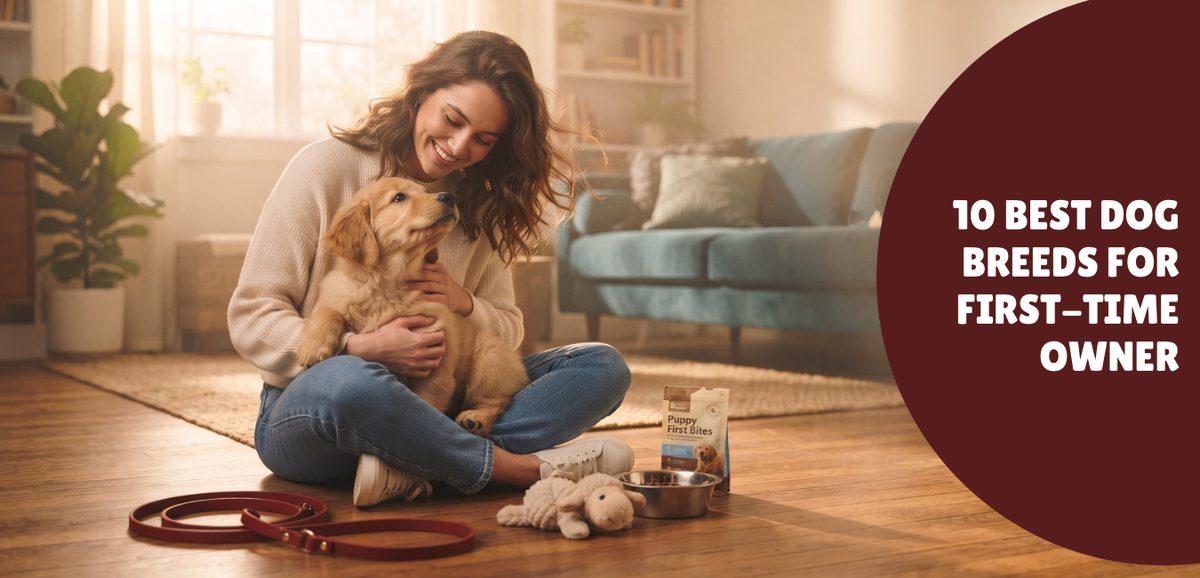
Bringing home your first dog is exciting — and a little nerve-wracking. The secret most experienced owners will tell you: some breeds make the learning curve a lot gentler. Beginner-friendly breeds tend to share a few traits — they’re friendly, eager to please, moderate in energy, and forgiving of the mistakes every new owner makes while learning.
One honest note before the list: breed is a starting point, not a guarantee. Training, socialization, and the individual dog matter enormously. But starting with a breed known for an easygoing temperament stacks the deck in your favor.
What Makes a Breed Beginner-Friendly?
- Trainability — eager to please and quick to learn the basics
- Friendly temperament — good with people, kids, and other dogs
- Moderate energy — happy with daily walks and play, not a second job
- Manageable grooming — a coat you can maintain without a professional schedule
- Forgiving nature — a dog who rolls with your rookie mistakes
The 10 Breeds
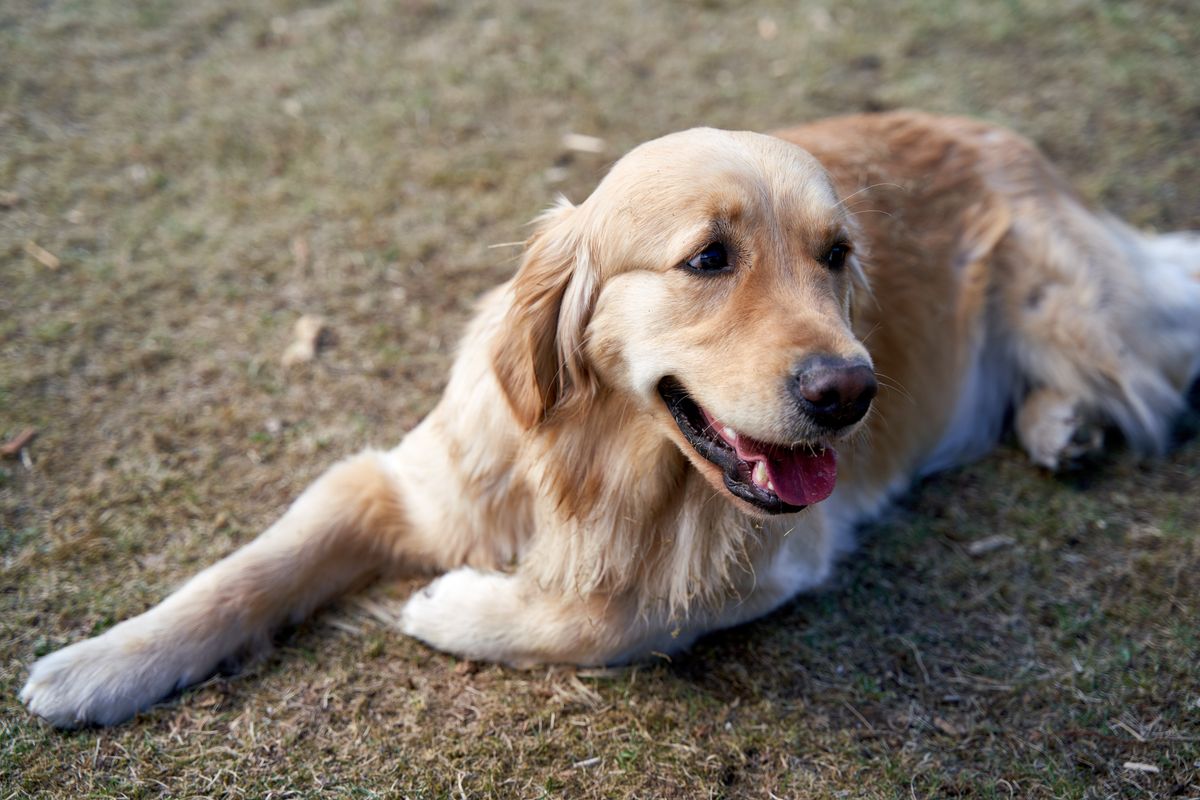
1. Golden Retriever. The classic first dog for a reason. Goldens are friendly, patient, eager to please, and famously good with families. They’re active — plan on 1 to 1.5 hours of exercise a day — and their beautiful coats need regular brushing. In return you get a dog who genuinely wants to get things right.
2. Labrador Retriever. America’s longtime favorite family dog: cheerful, outgoing, and endlessly trainable. Labs are high-energy youngsters who need real exercise and do best with a job, even if the job is fetch. Their short coats are easy — though “easy coat” and “no shedding” are not the same thing.
3. Cavalier King Charles Spaniel. If you want a smaller, calmer companion, the Cavalier is the sweetheart of the toy group. Gentle, affectionate, and adaptable, Cavaliers are happy with moderate walks and maximal couch time. They do best in homes where someone is around a lot — this is a breed that bonds deeply.
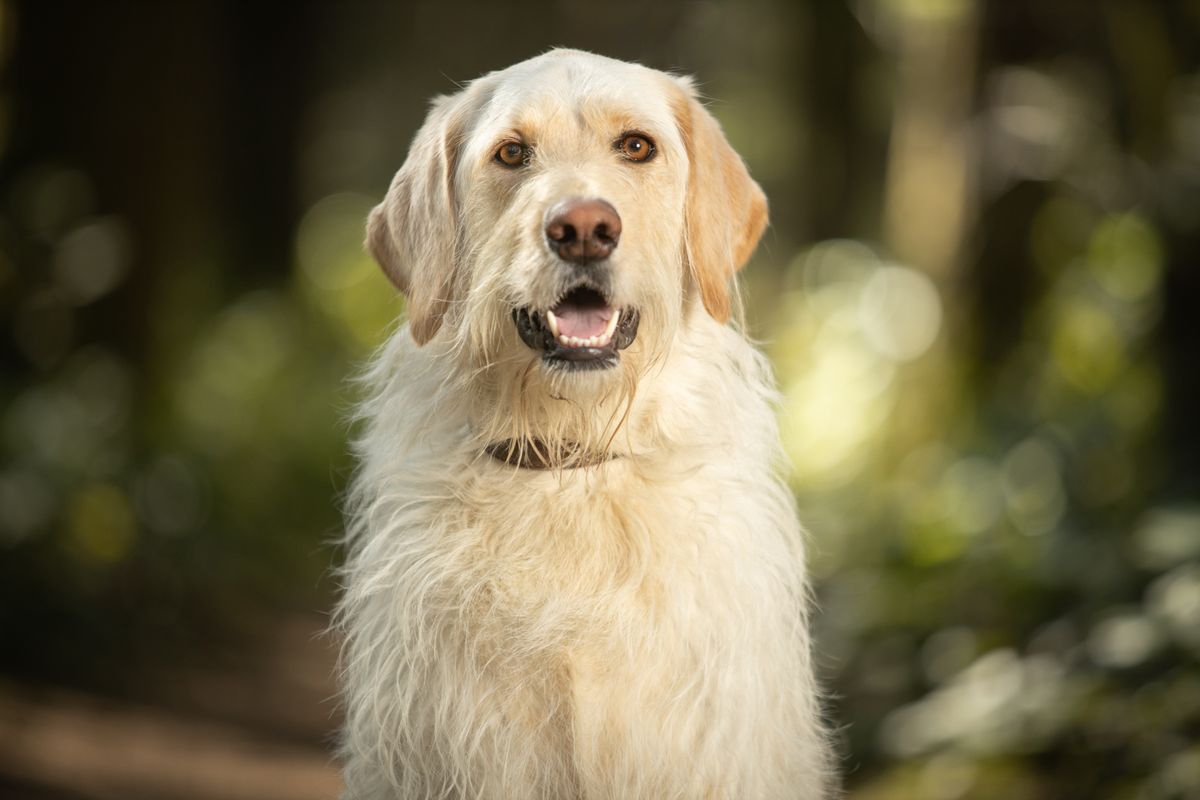
4. Poodle (Miniature or Standard). Poodles are far more than a fancy haircut — they’re one of the smartest, most trainable breeds, with a playful, people-focused temperament. Their low-shedding coat is a plus for many homes, but it does need professional grooming every 4 to 6 weeks. Miniatures suit smaller homes; Standards bring a calm, athletic presence.
5. Bichon Frise. A cheerful little companion with a big personality and a low-shedding coat. Bichons are playful, friendly, and sturdy for their size. Like the Poodle, that fluffy coat needs regular grooming appointments to stay comfortable and mat-free.
6. Boston Terrier. The “American Gentleman” is a compact comedian: friendly, bright, and easy to groom, with moderate exercise needs that suit apartment and city life. Bostons are flat-faced, so take care with exercise in hot weather — short and gentle wins.
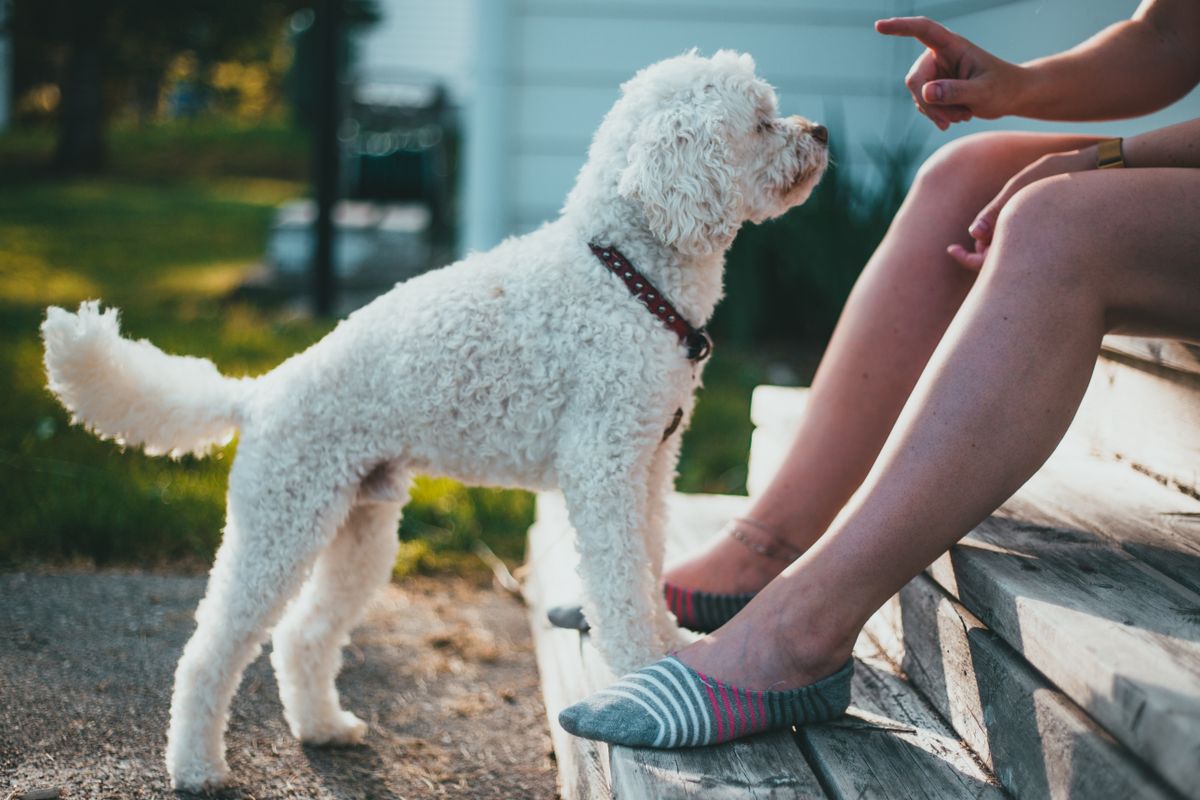
7. Havanese. Cuba’s national dog is a sturdy little charmer bred purely for companionship — friendly, funny, and surprisingly trainable. Havanese need moderate exercise and regular coat care, and like Cavaliers, they’re happiest when their people are nearby.
8. Papillon. Don’t let the size fool you: Papillons are tiny athletes and one of the most trainable of all small breeds. Friendly, alert, and eager, they excel at learning tricks and games. Their fine coat looks high-maintenance but needs only a couple of brushings a week.
9. Whippet. The gentle sprinter. Whippets are quiet, clean, and famously calm indoors — after a good run or a couple of solid walks, they’re professional couch warmers. Their short coat is nearly maintenance-free, and their sweet, undemanding nature suits first-time owners who want a peaceful house.
10. Pug. Pugs are clowns with a simple life philosophy: snacks, naps, and being near you. They’re charming, sturdy, and low-energy, with an easy short coat. Because they’re flat-faced, keep exercise gentle and avoid heat — and keep an eye on the snacks, because Pugs gain weight enthusiastically.
Before You Choose
Match the energy to your life, honestly. The most common first-owner mistake is choosing a dog for looks and discovering their exercise needs don’t fit your days. Our guide to how much exercise a dog needs will help you sanity-check the match. If your home is small, our list of the best dog breeds for apartment living goes deeper on compact living.
Puppy or adult? Puppies are adorable and exhausting; an adult rescue dog often arrives calmer, sometimes with basic training, and lets you see the personality you’re getting. Wonderful first dogs come from both breeders and shelters.
Plan the first month. Whichever breed you choose, the first weeks set the tone. Our guide to introducing a new dog: the first 30 days walks through routines, supplies, and settling in, step by step.
Frequently Asked Questions
What is the easiest dog breed for a first-time owner? There’s no single answer, but Golden Retrievers, Labrador Retrievers, and Cavalier King Charles Spaniels are the breeds most often recommended — friendly, trainable, and forgiving. The easiest breed for you is the one whose energy, size, and grooming needs fit your actual daily life.
Are small dogs easier for beginners than big dogs? Not automatically. Small dogs need the same training, socialization, and exercise (scaled to their size) as big ones, and some small breeds are famously strong-willed. Choose on temperament and lifestyle fit, not size alone.
Should a first-time owner get a puppy or an adult dog? Both can be great. A puppy lets you shape training from day one but demands months of round-the-clock effort. An adult dog — especially from a shelter or rescue that knows them well — often settles in faster and skips the hardest puppy stages. Be honest about your schedule, and you’ll know which fits.

Article Image from: Black Pug Site 1. Pugs Love To Lick You’re bound to hear plenty of slurping from this Read more

During recent years, the use of service dogs has become very common across the globe. Several research studies suggest that Read more

Professional working dogs come in many types, shapes, and sizes. Plus, there are a number of tasks for dogs to do out there. One of them is to be a Read more

The American Kennel Club names this dog “saucy” for good reason: these dogs have a lot attitude, considering their small Read more