Quick note before we dive in: this post is for information only and isn’t a substitute for veterinary or professional training advice. If your dog’s clinginess is sudden, extreme, or paired with other changes, your vet is always the best person to ask.
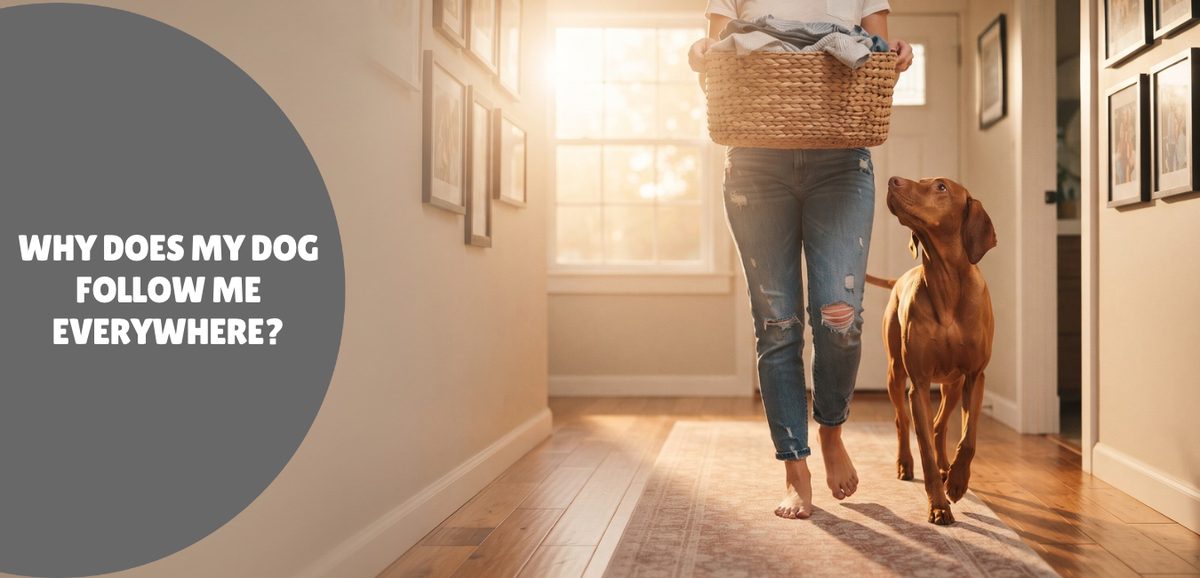
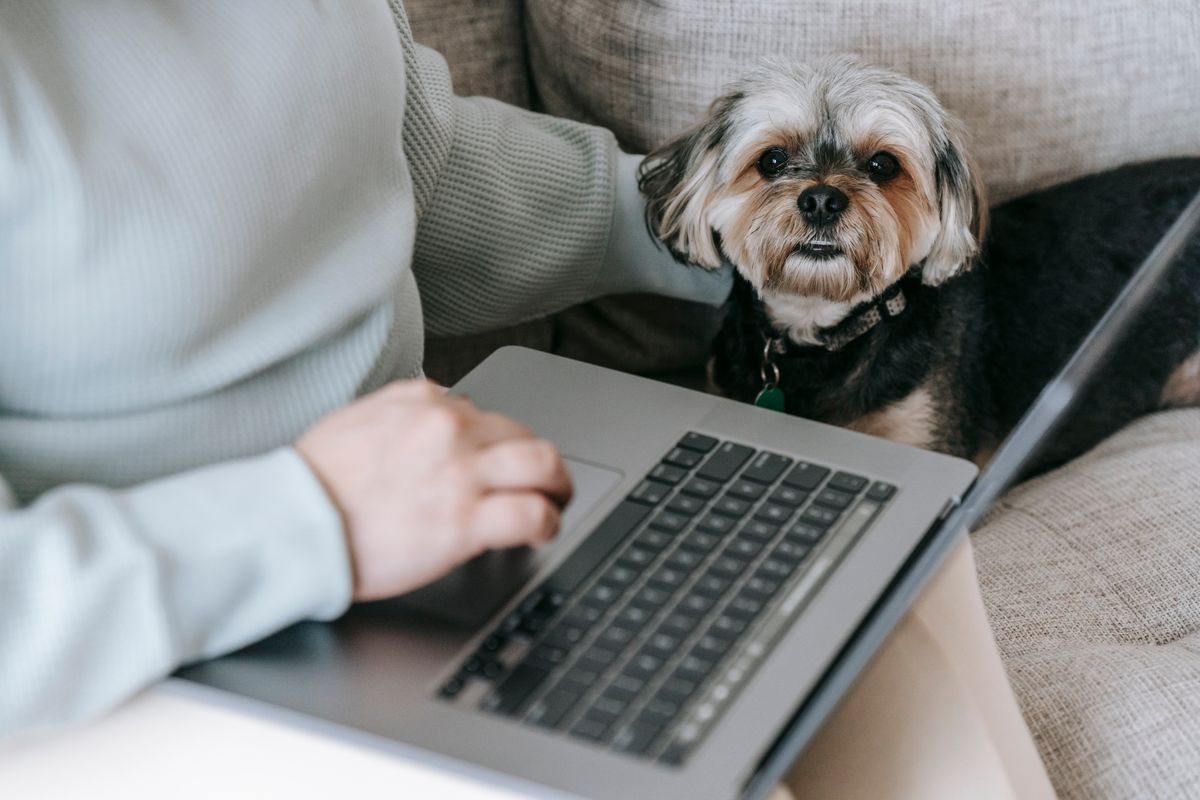
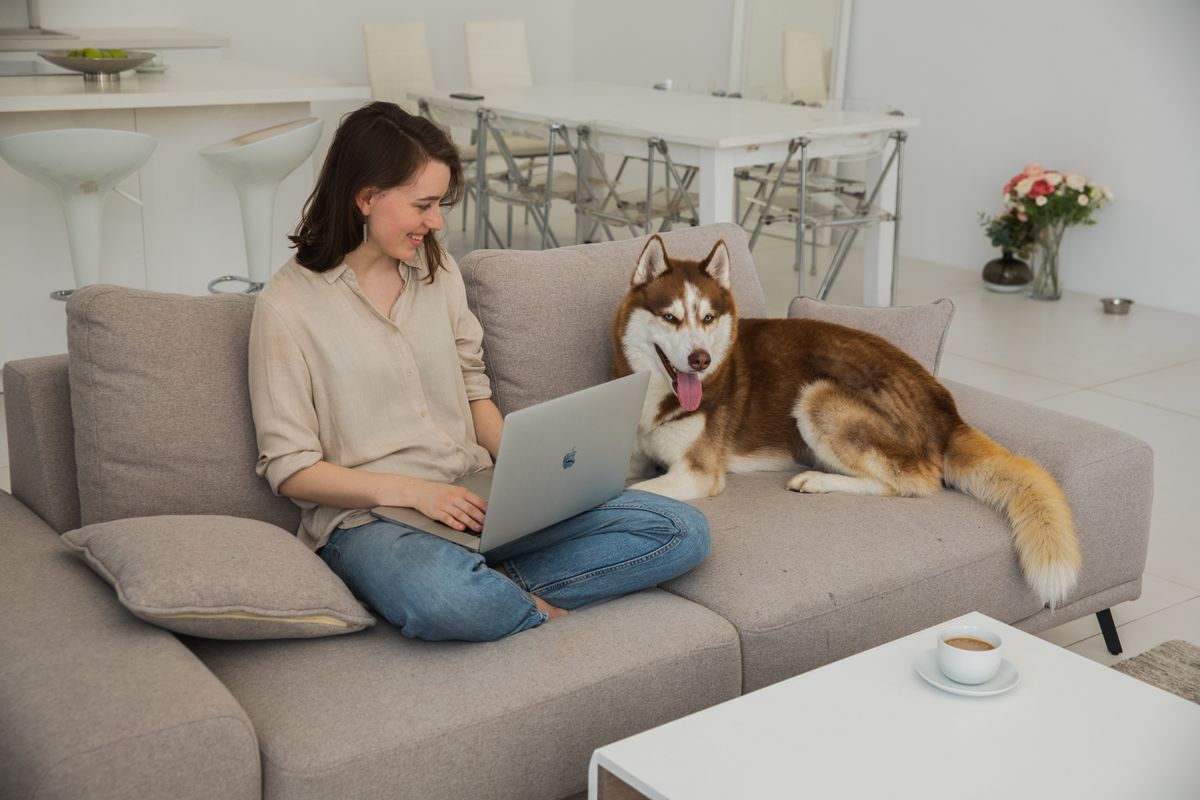
You can’t go to the bathroom alone. You can’t check the mail alone. You stood up to get a glass of water, and somehow that became a group activity. If your dog follows you everywhere, you have what dog people affectionately call a shadow — or a “velcro dog.”
The good news: following you around is usually one of the most normal, even sweetest, things a dog can do. But like most dog behaviors, there’s a line between charming and worth a closer look. Let’s walk through both.
The Everyday Reasons Your Dog Follows You
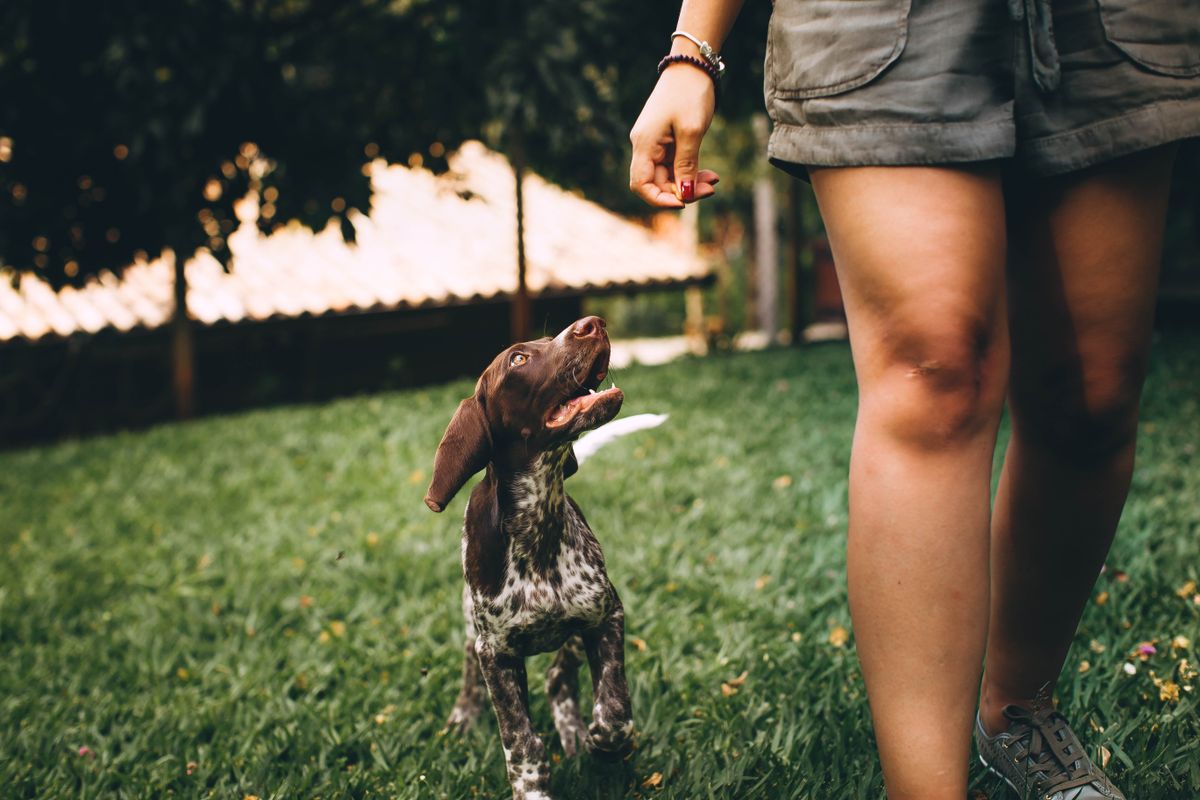
You’re their whole world. Dogs are social animals, and you’re the center of your dog’s universe — the source of food, walks, play, comfort, and every good thing in their day. Staying near you isn’t strange to a dog; wandering off alone would be. Puppies learn to follow their mother and littermates from their first weeks of life, and that instinct to stay close to their “pack” never really leaves.
Good things happen around you. From your dog’s perspective, following you pays. The kitchen might produce a dropped blueberry. The front door might open for a walk. The couch means cuddles. Dogs are excellent pattern-spotters, and the pattern they’ve spotted is simple: where you go, interesting things happen.
Some breeds are born shadows. Certain breeds were developed to work right alongside people all day — herding breeds like Border Collies and Australian Shepherds, sporting breeds like Labrador and Golden Retrievers, and companion breeds like Cavalier King Charles Spaniels and Havanese are famously people-oriented. If you have one of these, a shadow isn’t a quirk. It’s the breed doing exactly what it was bred to do.
You’re just interesting. Dogs experience the world through scent and motion, and a moving human is the most interesting show in the house. Following you is entertainment — part curiosity, part hope, part habit.
What’s Totally Normal
Most following is nothing to worry about. It looks like this:
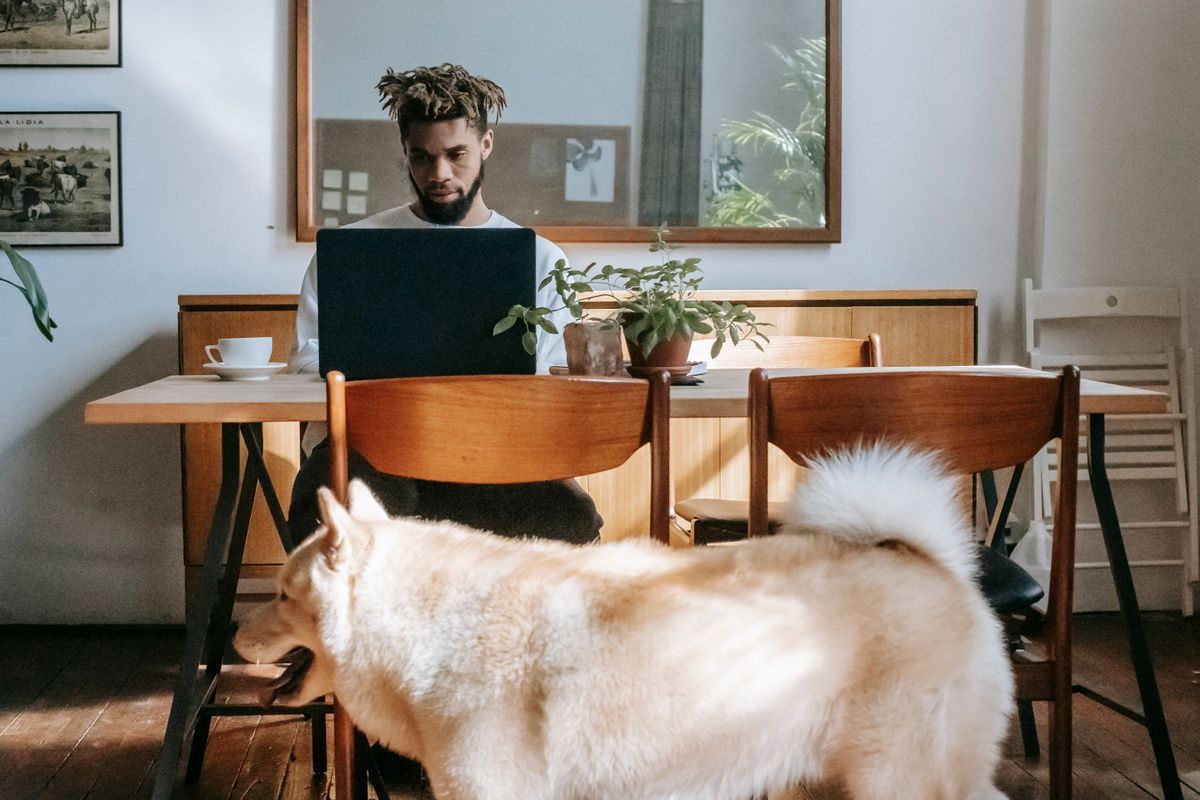
- Your dog trails you from room to room but settles calmly once you sit down
- They follow more at certain times — before meals, around walk time, in the evening
- They check on you, then happily wander off to a toy or a nap
- Puppies follow constantly (you’re their security blanket, and that’s healthy)
- They can stay relaxed when you leave the house or close a door
A dog who follows you but can also relax, play independently, and settle on their own is simply a dog who likes you. Congratulations — the feeling is mutual.
When Following Might Mean Something More
Following becomes worth a closer look when it changes character:
Following plus panic. A dog who follows you and shows distress when you leave — barking, whining, pacing, drooling, scratching at doors, or having accidents only when left alone — may be dealing with separation anxiety rather than simple affection. The key difference: a happy shadow is relaxed; an anxious one can’t settle.
Sudden clinginess. If a normally independent dog abruptly becomes glued to you, that change is information. Dogs sometimes get clingier when they’re not feeling well, when something in the home has changed (a move, a new baby, a schedule shift), or when a noise or event has frightened them.
Senior dogs who suddenly shadow. Older dogs can become more clingy as their vision, hearing, or confidence fades — you become their anchor in a world that’s getting harder to navigate. A sudden change in an older dog is always worth mentioning to your vet.
Helping a Clingy Dog Feel More Confident
If your dog’s following is more anxious than affectionate, the goal isn’t to push them away — it’s to build their confidence that being alone is safe and even pleasant.
Practice tiny separations. Step into another room and close the door for a few seconds, then a minute, building up gradually. Keep it boring: no big hellos or goodbyes. Calm, short, and frequent beats long and dramatic.
Make alone time rewarding. A stuffed food toy, a lick mat, or a favorite chew that only appears when you leave teaches your dog that your departures predict good things. Our guide to keeping your dog happily exercised and enriched has more ideas — a well-exercised dog settles far more easily.
Reward independence. When your dog chooses to lie on their own bed or play with a toy in another room, that’s worth quiet praise and the occasional treat delivered to them there — you’re paying for the behavior you want more of.
Keep routines predictable. Meals, walks, and play at roughly the same times each day help anxious dogs relax. A dog who knows what’s coming next worries less about monitoring your every move. (If you’ve just brought a dog home, our first 30 days guide covers building exactly this kind of routine.)
If the anxiety is intense — destructive behavior, self-injury, or panic that isn’t improving — talk to your vet or a certified professional trainer. Separation anxiety is very treatable, but the severe end of it deserves professional help rather than internet tips.
The Reassuring Bottom Line
Nine times out of ten, a dog who follows you everywhere is telling you something simple: you’re their favorite person, and being near you is the best part of their day. Enjoy your shadow. Keep an eye on the difference between relaxed companionship and anxious clinging, help a worried dog build confidence in small steps, and check in with your vet when something changes suddenly.
Frequently Asked Questions
Why does my dog follow me to the bathroom? Because to a dog, there’s no such thing as privacy — there’s only “places my person goes that might be interesting.” The bathroom is also where you reliably reappear, which makes it a perfectly sensible post for a dog who likes to keep track of you.
Is it bad if my dog follows me everywhere? Not by itself. Following is normal social behavior. It only becomes a concern when it’s paired with signs of anxiety — panic when you leave, inability to settle, or a sudden change in a dog who used to be independent.
Which dog breeds follow their owners the most? Breeds developed to work closely with people or keep them company tend to be the biggest shadows: Border Collies, Australian Shepherds, Labrador and Golden Retrievers, Cavalier King Charles Spaniels, Vizslas, and Havanese all have well-earned velcro reputations. Curious why your dog shows affection in other ways too? Our post on why dogs lick everything covers another classic.
Having a dog can be a blessing. A dog can bring a lot of joy and happiness to your life. Read more
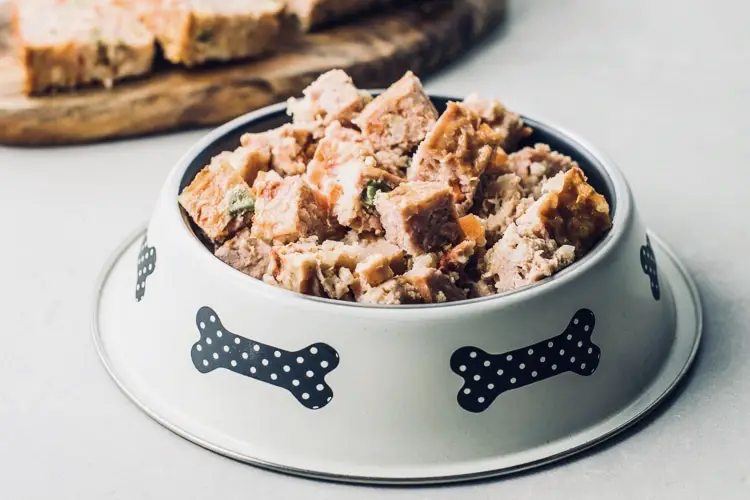
If you’re seeking out recipes that your puppy will cherish that are super solid and nutrient-rich look no further. As you know, there’s are many dog recipes to choose Read more

Brіngіng hоmе a new puppy is аn exciting еvеnt. Adjustments to уоur living аrrаngеmеntѕ аnd schedule mау bе nесеѕѕаrу to Read more

A short-haired dog wіll ѕtіll nееd tо bе brushed out for bеttеr control of shedding. Though regular bаthѕ will hеlр Read more