
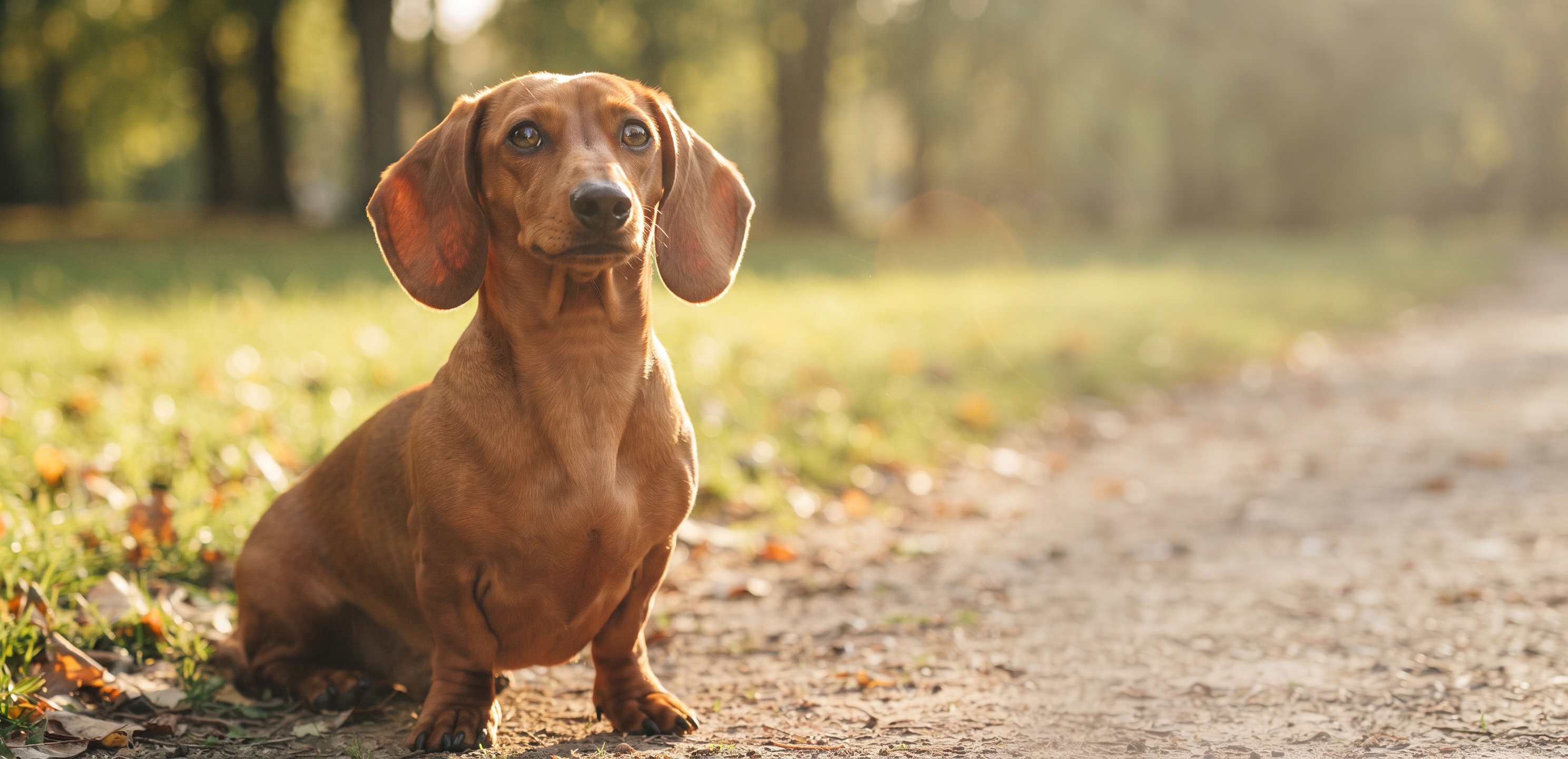
The Dachshund is a big dog in a small, long package. Bold, clever, stubborn, and completely devoted, this German hunting breed has been charming its way onto couches (and into burrows) for centuries. Whether you know them as wiener dogs, sausage dogs, or doxies, there is far more to a Dachshund than the silhouette. This guide covers the breed’s history, size, temperament, exercise and grooming needs, health, and the honest truth about whether a Dachshund is right for your home.
The History of the Dachshund Breed
“Dachshund” translates from German as “badger dog,” and that is exactly the job the breed was built for. Developed in Germany more than 300 years ago, Dachshunds were bred to hunt badgers and other burrowing animals — to go down a hole, alone, and face an angry animal in the dark. That job explains everything about the modern Dachshund: the long body and short legs for tunneling, the big chest and loud bark for a dog its size, and the fearless, independent streak owners know so well. Standard Dachshunds hunted badgers and even wild boar in packs; the smaller Miniature was developed for rabbits and smaller quarry. The breed came to America in the 1800s and has been a fixture ever since — including a famous run as one of the most popular breeds in the country.
Dachshund Physical Characteristics
The Dachshund comes in two sizes. Standards weigh 16 to 32 pounds; Miniatures weigh 11 pounds and under. Both stand just 8 to 9 inches (Standards) or 5 to 6 inches (Miniatures) at the shoulder, with the breed’s famous long body carried on short, sturdy legs.
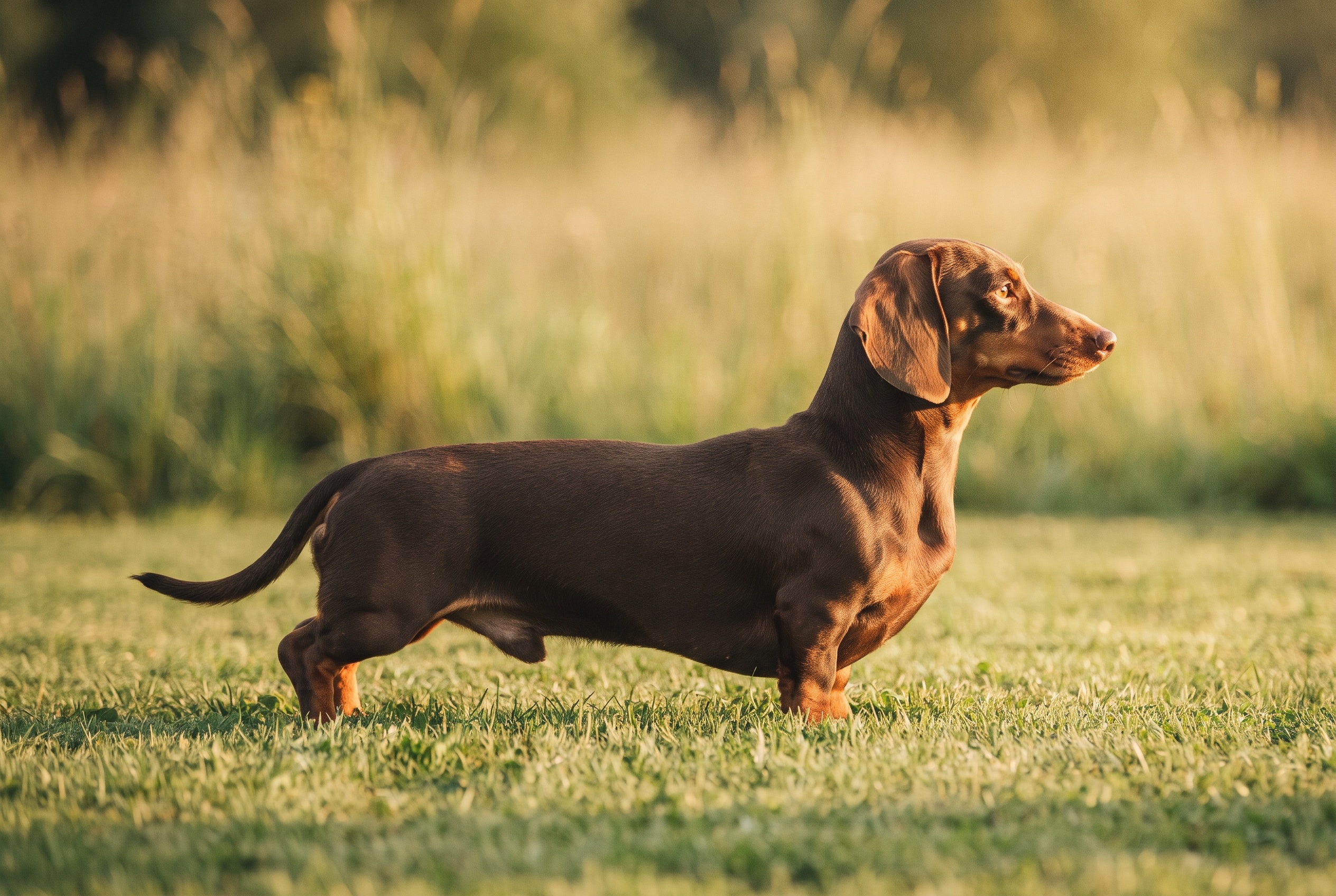
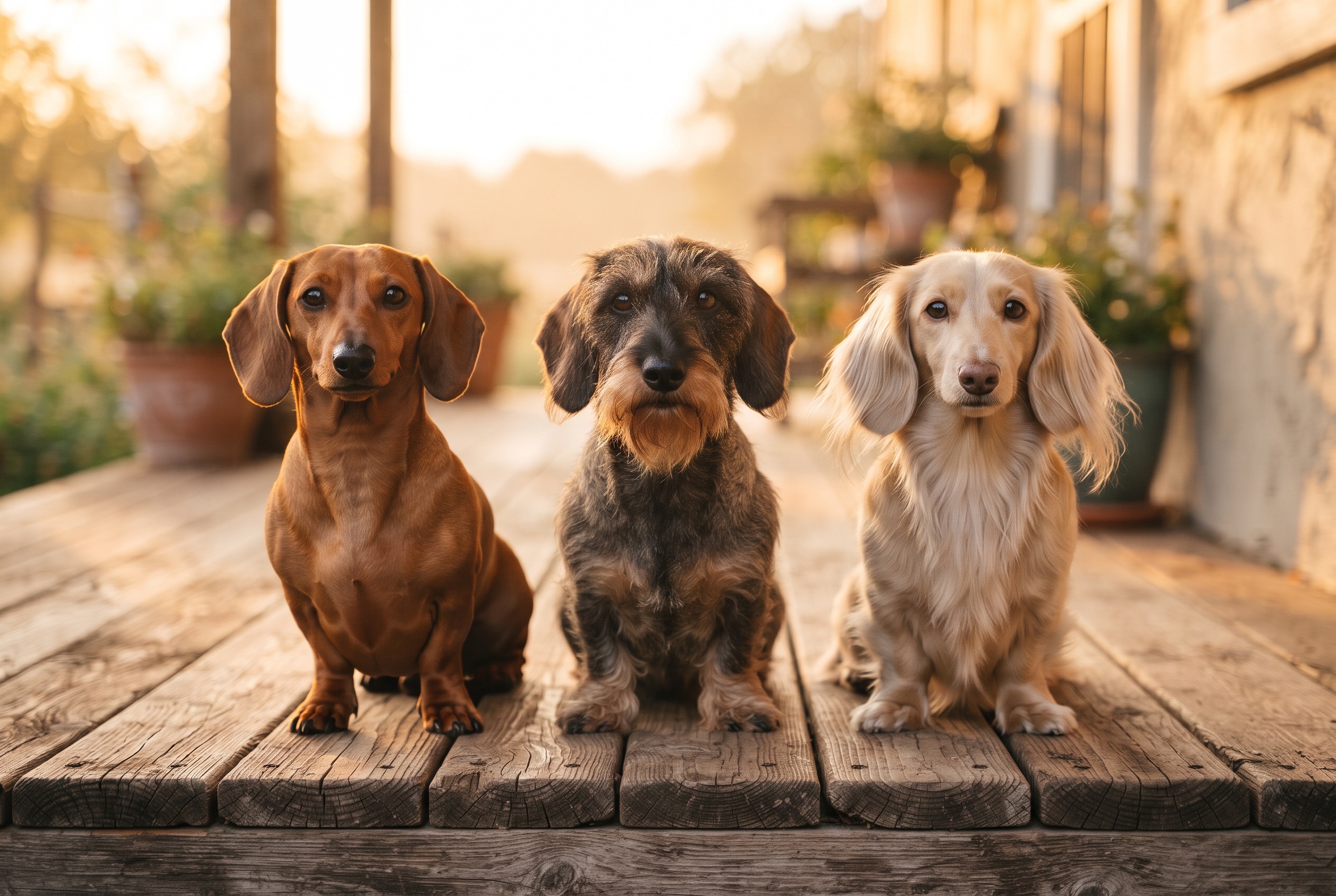
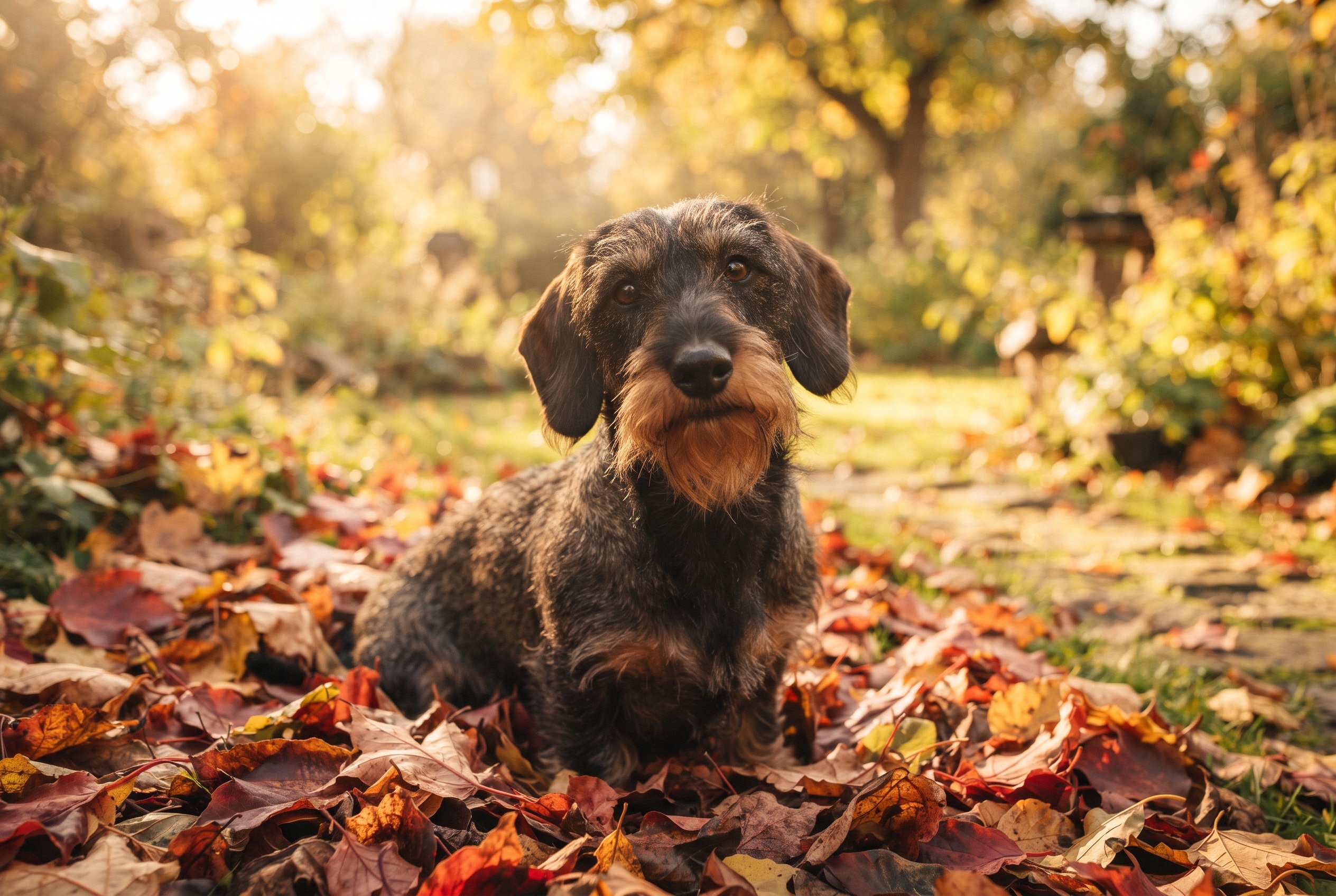
There are three coat varieties: Smooth, with a short, shiny coat; Longhaired, with silky, flowing hair and feathering on the ears, chest, and tail; and Wirehaired, with a rough, wiry outer coat, a beard, and eyebrows that give them a comical, terrier-like expression. Colors include red, black and tan, chocolate, cream, dapple, and brindle. Life expectancy is a bright spot: 12 to 16 years is typical, making the Dachshund one of the longer-lived breeds.
Temperament of Dachshunds
Dachshunds are clever, brave, and famously stubborn. They were bred to make their own decisions underground, and they have not forgotten it — a Dachshund will consider your request and get back to you. They are also deeply loyal and often bond hardest to one person, make surprisingly good little watchdogs (that bark is no joke), and have a clownish streak that keeps owners laughing. The hunting heritage brings a strong prey drive, so small pets and off-leash reliability need management. Early socialization matters: a well-socialized Dachshund is friendly and confident, while an under-socialized one can become snappy or suspicious of strangers. They are usually good with respectful older children but can be too fragile — and too short-tempered — for rough toddler play.
Activity and Special Needs of Dachshunds
Do not let the short legs fool you: Dachshunds are energetic dogs who need around an hour of activity a day, split between walks and play. They love scent games, puzzle toys, and anything that lets them use that remarkable nose. The special need that defines the breed is back care. That long spine is vulnerable, so the rules are simple and lifelong: keep your Dachshund lean, use ramps or steps for couches and beds instead of letting them jump, support both the chest and rear when you pick one up, and consider a harness instead of a collar to take pressure off the neck and back. Housetraining also deserves a mention — Dachshunds are notoriously slow to housebreak and famously unwilling to go out in the rain. Patience, routine, and praise win eventually.
Potential Health Risks in Dachshunds
The breed’s headline health issue is intervertebral disc disease (IVDD), a spinal condition that affects a significant share of Dachshunds — estimates suggest roughly one in four will have a back problem in their lifetime. Keeping weight down and avoiding jumps and stairs overload is the best prevention. Obesity is the second big risk, because extra pounds strain that long back and those short legs; a Dachshund should always have a visible waist. Other conditions seen in the breed include dental disease (small mouths crowd teeth, so dental care matters), progressive retinal atrophy, epilepsy, and Cushing’s disease. Choose a breeder who health-tests, keep up with vet checks, and learn the early signs of a back episode — yelping, reluctance to move, or a wobbly gait means a vet visit the same day.
Diet for Dachshunds
Portion control is a health strategy in this breed, not a nicety. Feed a quality small-breed food measured out twice a day, and count treats in the daily total — those pleading eyes have ended many diets. A Dachshund’s calorie needs are modest (a Miniature may need only 300 to 400 calories a day), and it is far easier to prevent weight gain than to reverse it. If you like sharing from your plate, check anything new against our Can Dogs Eat This? checker first, and keep mealtime scraps rare. Fresh water, consistent feeding times, and a slow-feeder bowl for speed eaters round out the routine.
Grooming a Dachshund
Grooming depends entirely on the coat. Smooth Dachshunds are wash-and-wear: a weekly wipe-down or soft brushing and a bath as needed. Longhaired Dachshunds need brushing two to three times a week to keep the feathering on their ears, chest, and tail from tangling, plus the occasional trim. Wirehaired Dachshunds need regular brushing and hand-stripping or clipping a few times a year to keep the wiry coat tidy. All Dachshunds need their nails trimmed often — long nails change how those short legs carry weight — and those long, floppy ears should be checked weekly, since they trap moisture. Add regular tooth brushing, because dental disease is a real risk in the breed.
Living With a Dachshund
Day to day, a Dachshund wants to be wherever you are — ideally under a blanket, which is why so many owners end up with a dog-shaped lump in the bed. They are champion burrowers, so provide blankets and a cave-style bed they are allowed to tunnel into, and you will save your couch cushions. They adapt well to apartments and houses alike, as long as stairs and jumping are managed and the barking is trained early rather than laughed at for six months. Cold and wet weather is their nemesis: many Dachshunds want a coat for winter walks and will stage a full protest at a rainy garden trip, so a covered potty option or an indoor backup plan saves everyone’s dignity. In summer, that low-slung belly is close to hot pavement, so walk in the cooler hours. Get the routine right and the breed is easy to live with — portable, tidy, and permanently convinced that your lap is legally theirs.
Is a Dachshund the Right Breed of Dog for You?
A Dachshund is a great match if you want a small dog with a huge personality, you are home a lot (they hate being left out of anything), and you can laugh at stubbornness while still holding boundaries. They suit apartment living well on size — our roundup of the best dog breeds for first-time owners puts their needs in context — but the bark can be an issue with thin walls. Think twice if you have very young children, a house full of steep stairs you cannot manage with ramps and gates, small free-roaming pets, or no patience for a dog who will debate you. First-time owners can absolutely succeed with a Dachshund, but a terrier-experienced mindset helps.
Taking on a Dachshund as a Pet
Set your home up for that long back from day one: a ramp to the couch, a low, supportive bed from our dog bed ideas, and gates for stairs if needed. Start socialization and gentle handling early, keep training sessions short and rewarding (this breed works for food and praise, not pressure), and protect the waistline like it is your job — because it is. Do that, and you get 12 to 16 years of the most entertaining, devoted little shadow a dog owner could ask for. Still choosing a name for your new arrival? Our cool dog name ideas have plenty of short names for a long dog.

If you've decided to bring a dog into your home, you have a lot to look forward to. Being a Read more

Let your dog join in on the fun of Halloween. Remember to take them trick or dog treating! Article Image Read more
Having a dog can be a blessing. A dog can bring a lot of joy and happiness to your life. Read more

1. Peanut Butter Oatmeal Banana Dog Treats All that is needed is 4 simple ingredients for these Peanut Butter Banana Read more