
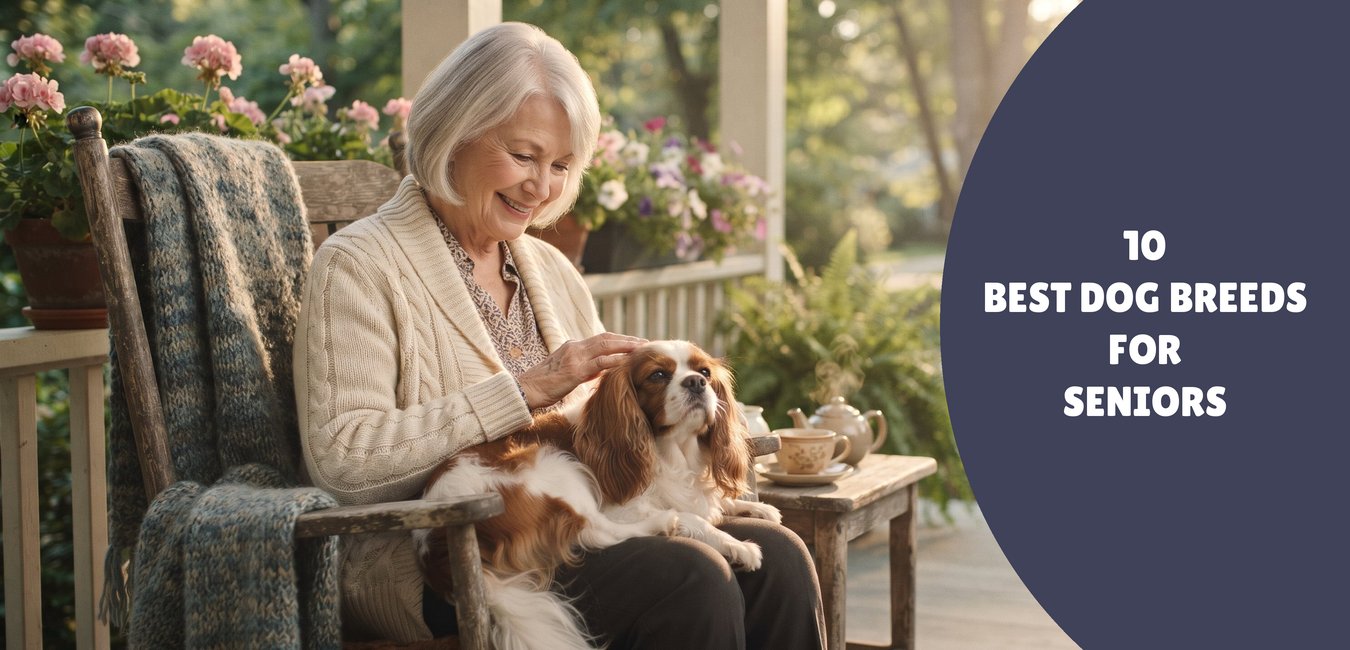
The best dog for a senior owner isn’t the smallest dog or the calmest dog — it’s the dog whose needs fit your life now and for years to come. The breeds on this list tend to share what matters most: a manageable size and strength, moderate exercise needs, a gentle and affectionate temperament, and care routines that don’t require a professional team.
One honest note before the list: breed is a starting point, not a guarantee. The individual dog matters enormously — and for many senior owners, an adult dog whose personality is already known turns out to be an even better match than any puppy. More on that below.
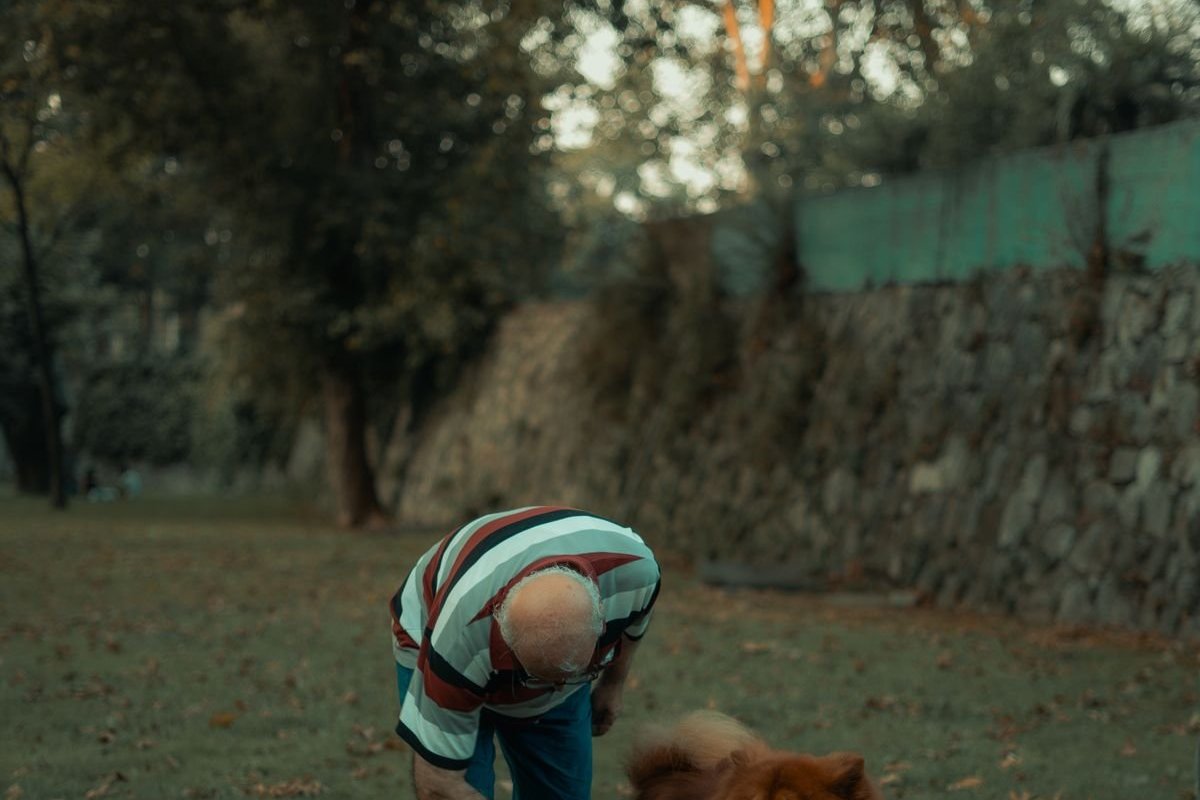
What Makes a Breed Senior-Friendly?
- Manageable size and strength — a dog you can safely handle, lift into the car if needed, and hold on a leash without a wrestling match
- Moderate, flexible exercise needs — happy with daily walks and play, content on slower days too
- Gentle, people-focused temperament — companionship is usually the whole point
- Manageable grooming — either a simple coat or one a groomer can maintain on a regular schedule
- Trainability — a dog who learns house rules and leash manners without a battle of wills
The 10 Breeds
1. Cavalier King Charles Spaniel. The companion dog’s companion dog. Cavaliers are gentle, affectionate, and sized for laps and apartments alike, with moderate exercise needs — a good walk or two and they’re content. They bond deeply and prefer homes where someone is around, which suits many retired owners perfectly.
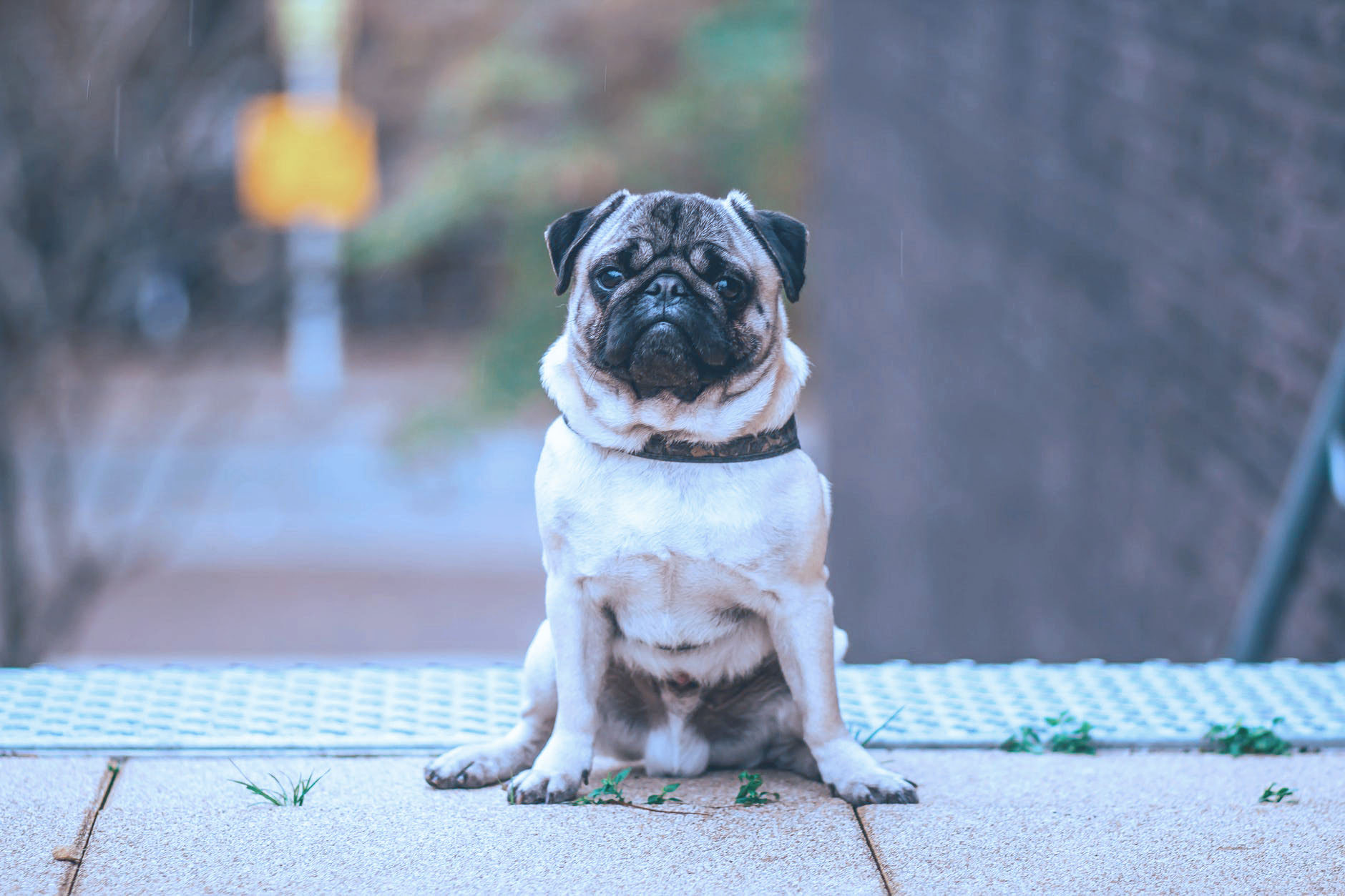
2. Pug. Pugs are sturdy little comedians whose exercise ambitions are modest and whose devotion is total. Short coats are easy to keep, and their favorite activity is being near you. Because they’re flat-faced, keep walks gentle and avoid heat — a Pug’s ideal day is unhurried anyway.
3. Shih Tzu. Bred for centuries purely as a companion, the Shih Tzu is friendly, sturdy for its size, and happy with indoor play plus a moderate walk. The trade-off is that flowing coat: plan on professional grooming every few weeks, or keep a short, practical puppy cut.
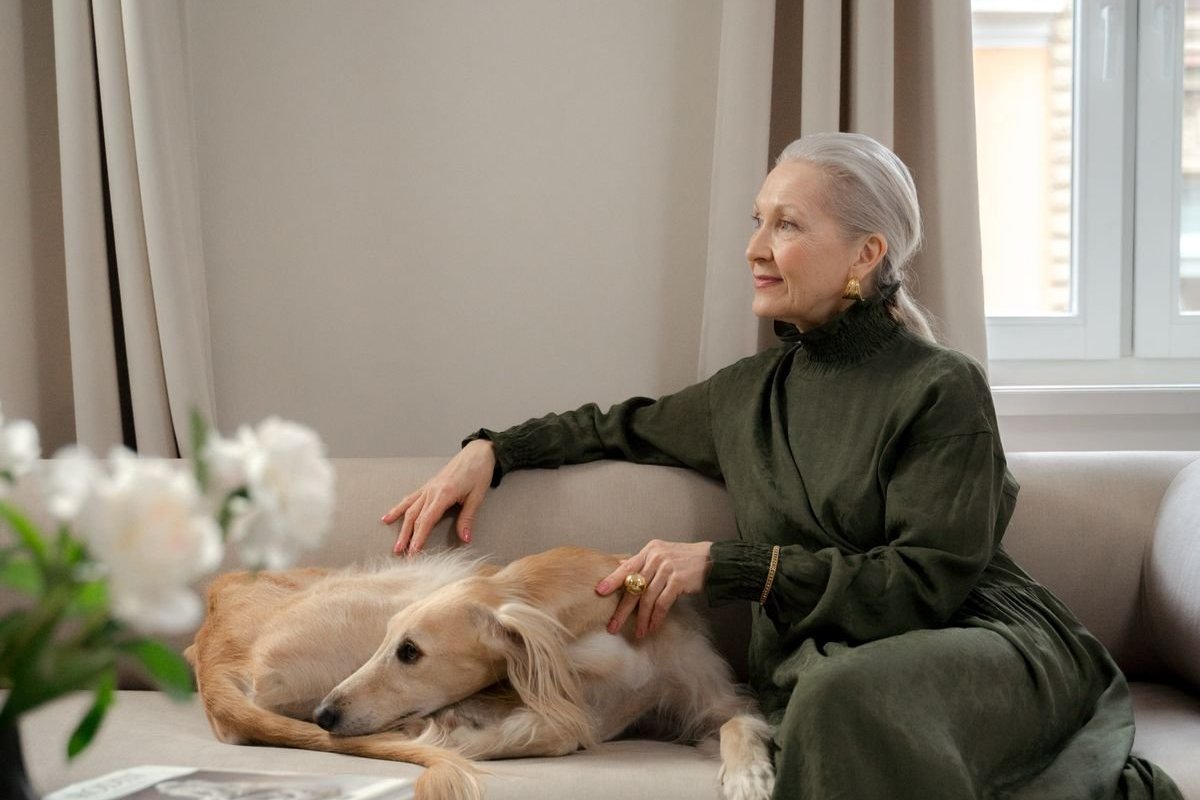
4. Miniature or Toy Poodle. Smart, trainable, and low-shedding, the smaller Poodles bring big-dog brains in a carry-friendly size. They’re active and playful without being overwhelming, and they thrive on the mental engagement of training games. Their coats need regular grooming appointments.
5. Bichon Frise. A cheerful, sturdy little dog with a low-shedding coat and a famously sunny disposition. Bichons are playful without being hyper, friendly with visitors and grandchildren, and sized for easy handling. Like the Poodle, budget for regular grooming.
6. Havanese. Cuba’s national dog is a devoted, gentle companion — friendly, funny, and more trainable than most toy breeds. Havanese need moderate exercise and regular coat care, and they are happiest in the middle of family life rather than alone all day.

7. Greyhound. The surprise entry: retired racing Greyhounds are gentle, quiet, and famously low-energy at home — professional sprinters who spend most of the day as elegant couch ornaments. They need a good daily walk and the occasional chance to stretch their legs in a fenced area, and their short coats are nearly maintenance-free. Large but calm and easy on the leash.
8. Boston Terrier. The “American Gentleman” is compact, bright, and easy to groom, with moderate energy that fits apartment and house alike. Bostons are friendly clowns who bond closely with their people. As a flat-faced breed, they need gentle exercise in hot weather.
9. Pomeranian. For owners who want a tiny dog with a huge personality: Poms are lively, loyal, and light enough to carry anywhere. Their glorious coats need regular brushing to stay that way, and early socialization helps keep their confidence friendly rather than yappy.
10. Maltese. A gentle, affectionate toy breed that has been a lap companion for thousands of years — and sees no reason to change. Maltese are small, portable, and content with modest exercise. Their white coats need consistent care to stay clean and tangle-free.
Before You Choose
Consider an adult or senior dog. Puppies are wonderful — and exhausting, with months of housetraining, night waking, and constant supervision. An adult rescue dog often arrives calmer, sometimes with basic training, and lets you see exactly the personality you’re getting. Our post on adopting an older dog makes the case in full, and older dogs are too often overlooked in shelters.
Match the energy to your life, honestly. Every dog on this list still needs daily walks and engagement — our guide to how much exercise a dog needs will help you sanity-check the match before you commit. If space is tight, our list of the best dog breeds for apartment living goes deeper on small-space living.
Plan the practical side. Think through vet costs, a backup person who can help in an emergency, and arrangements for the dog if your circumstances change. Deciding these things calmly, in advance, is one of the kindest things an owner can do. And if you’re weighing breeds for a household with new owners too, our guide to the best dog breeds for first-time owners overlaps helpfully with this list.
Frequently Asked Questions
What is the easiest dog breed for a senior to own? There’s no single answer, but Cavalier King Charles Spaniels, Pugs, and Shih Tzus are the breeds most often recommended — gentle, affectionate, modest in their exercise needs, and easy to handle. The easiest breed for you is the one whose size, energy, and grooming fit your actual daily life.
Are small dogs always better for seniors? Not automatically. Small dogs are easier to lift and cost less to feed, but some small breeds are high-energy or strong-willed, and tiny dogs can be a trip hazard underfoot. A calm, larger dog like a retired Greyhound can be an easier housemate than a whirlwind toy breed. Temperament and energy matter more than inches.
Should a senior get a puppy or an adult dog? Both can be wonderful. A puppy lets you shape training from day one but demands months of round-the-clock work. An adult dog — especially from a shelter or rescue that knows them well — usually settles in faster and skips the hardest stages. For many senior owners, an adult dog is the gentler path to the same companionship.
Article Image from: Black Pug Site 1. Pugs Love To Lick You’re bound to hear plenty of slurping from this Read more

During recent years, the use of service dogs has become very common across the globe. Several research studies suggest that Read more

Professional working dogs come in many types, shapes, and sizes. Plus, there are a number of tasks for dogs to do out there. One of them is to be a Read more

The American Kennel Club names this dog “saucy” for good reason: these dogs have a lot attitude, considering their small Read more