Quick note before we dive in: this post is general information, not veterinary advice. Sleep changes can occasionally be an early sign of a health problem, so if your dog’s sleep has changed suddenly or dramatically, your vet is the right call.
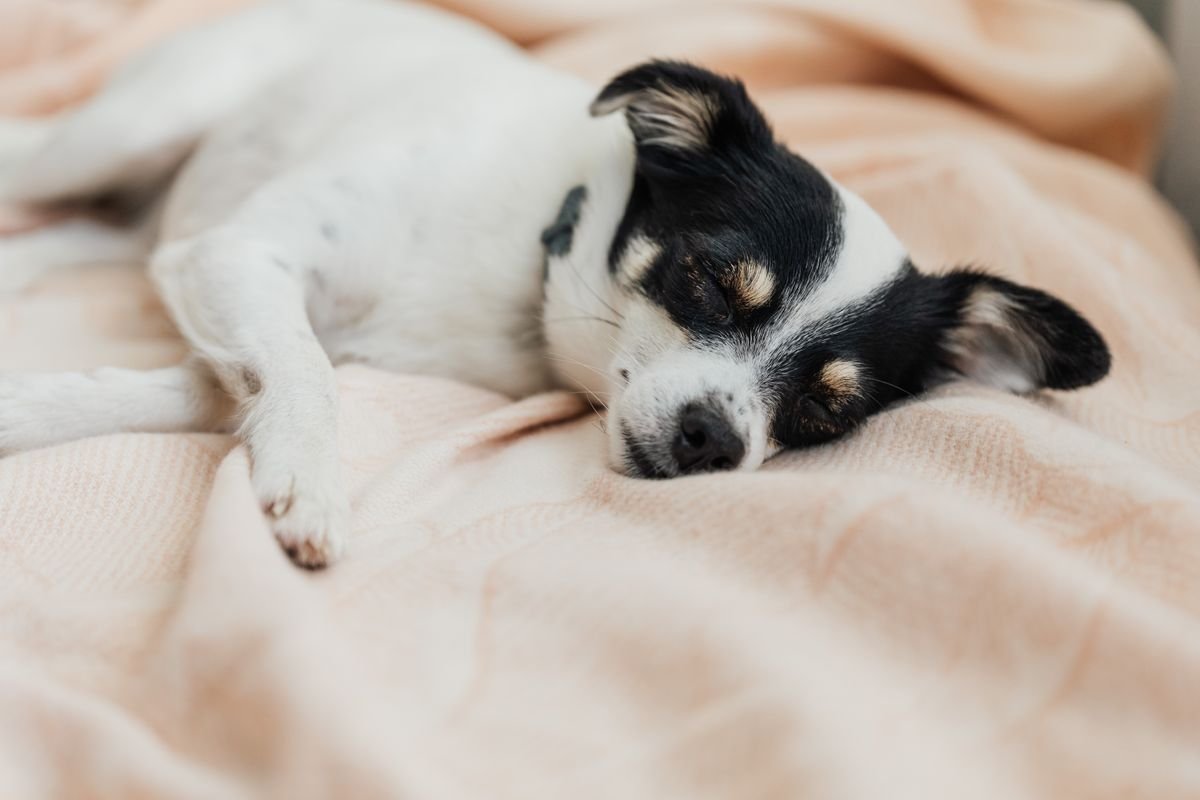
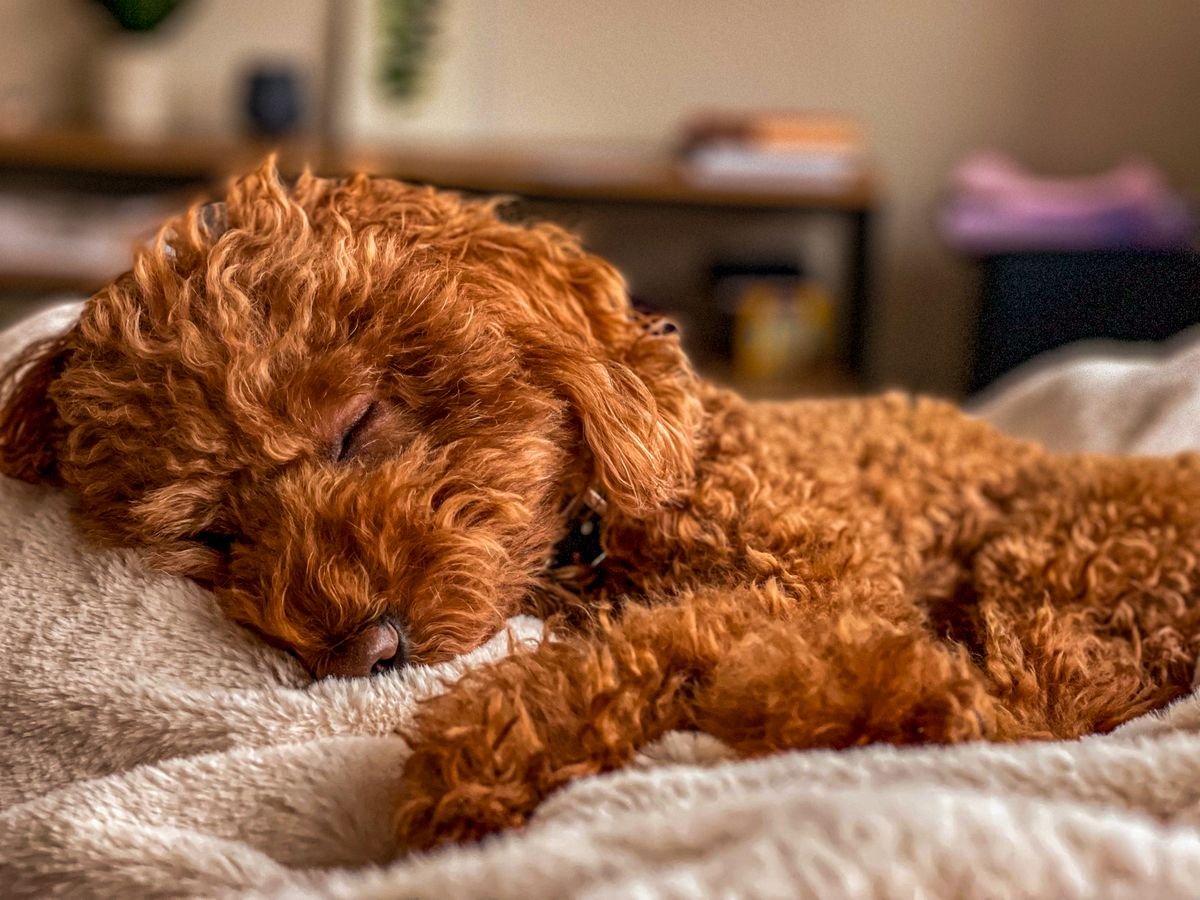
You’ve been up for hours. You’ve worked, walked, cooked, and answered forty emails. Your dog, meanwhile, has napped in three different sunbeams, relocated to the couch, and is now asleep again — upside down, mid-afternoon, without a care in the world.
It can look excessive. For a dog, it’s usually just Tuesday. Dogs sleep far more than we do, and mostly it’s healthy. Here’s how much is normal, why it happens, and the changes that actually matter.
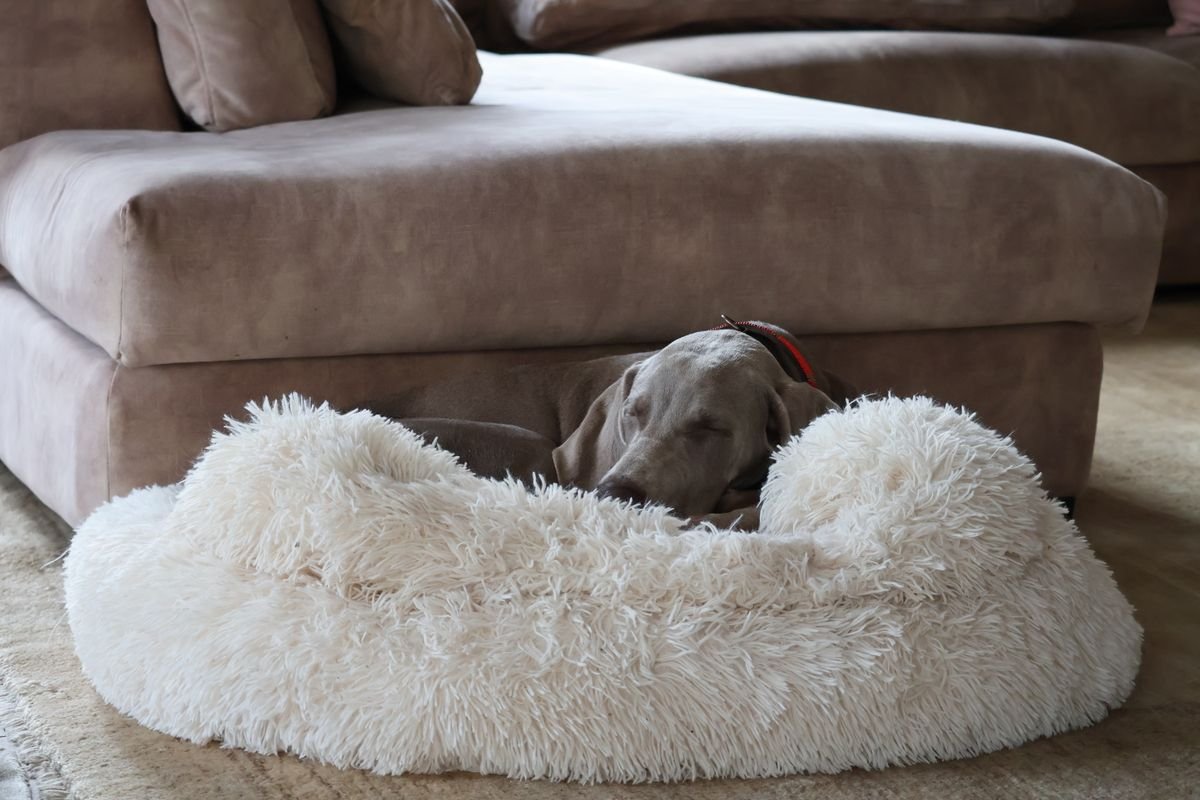
How Much Sleep Dogs Need, by Age
Puppies: 18 to 20 hours a day. Growing a body and a brain is exhausting work. Puppies crash hard, wake up at full speed, and crash again — and that rhythm is exactly right. Puppies who don’t get enough sleep get overtired, which usually looks like more chaos, not less: wild zoomies, extra nipping, zero listening. Our week-by-week puppy training schedule builds in the rest young dogs need.
Adult dogs: 12 to 14 hours a day. The average healthy adult dog spends about half the day asleep, plus a good chunk more loafing — awake but resting, watching the world go by. Big breeds and giant breeds often sleep more than small ones, and athletic dogs sleep hard after big days.
Senior dogs: 16 to 18 hours, sometimes more. Older dogs tire faster, recover slower, and sleep deeper and longer. A gradual increase in sleep as your dog ages is expected — it’s the sudden jumps that deserve attention.
Why Dogs Sleep So Much
Their sleep cycles are different from ours. Dogs sleep in shorter cycles and spend a smaller share of their sleep in deep REM than humans do. The result: they need more total hours to get the same restoration, and they make up the difference in naps — lots of them.
They’re champion opportunists. Dogs evolved to rest whenever nothing is happening and spring up the second something is. No walk, no game, no snacks on the horizon? Nap. Doorbell? Fully awake in half a second. This is also why your dog sleeps so much while you’re at work: from their perspective, the interesting part of the day starts when you get home.
Activity buys sleep. A well-exercised dog sleeps more soundly — one of the quieter benefits of getting the daily exercise amount right. And boredom buys naps too: a dog with nothing to do will sleep simply because sleeping is what’s available. That kind is worth fixing with enrichment, not worrying about.
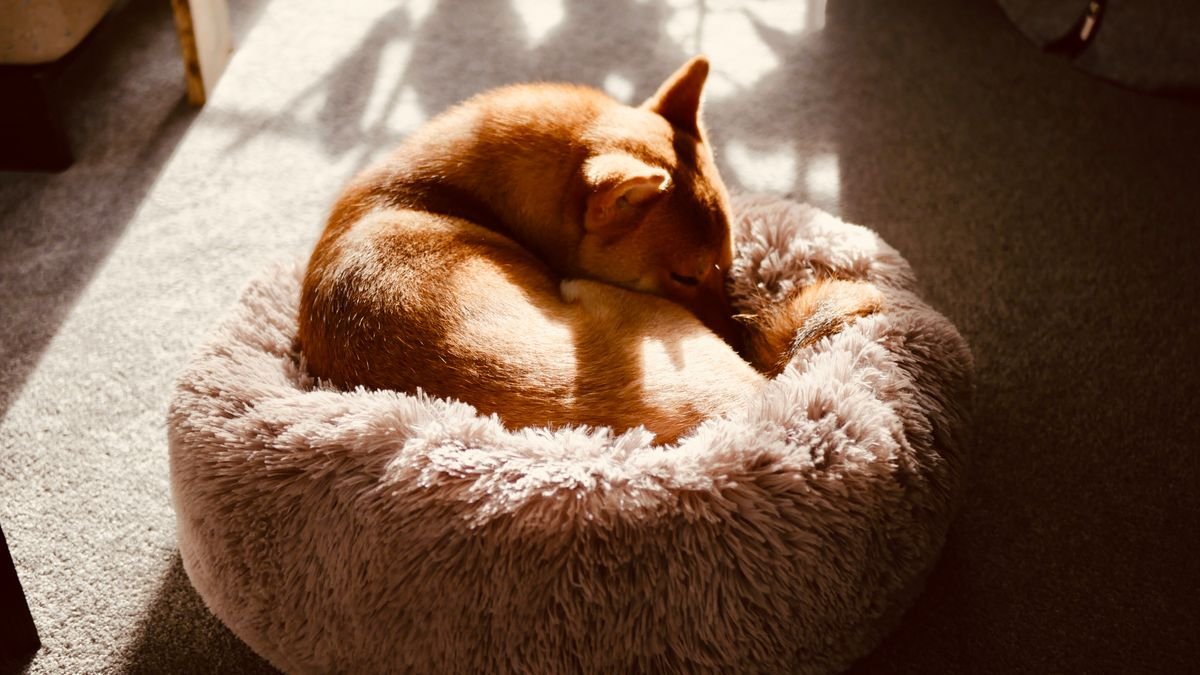
Normal Sleep vs. Too Much Sleep
Healthy dog sleep has a recognizable shape:
- They wake easily and brighten up fast when something interesting happens
- Energy, appetite, and enthusiasm are normal during waking hours
- Sleep increases after busy days and settles back afterward
- The pattern changes gradually over months and years, not overnight
The important distinction vets make is between sleepiness and lethargy. A sleepy dog is resting and recovers into their normal self when awake. A lethargic dog is dull even when awake — slow to respond, uninterested in food, walks, or favorite people. Lethargy is never “just sleep,” and it’s the pattern that matters most in the next section.
When to Worry: Sleeping More Can Be a Signal
Book a vet visit if increased sleep arrives with company:
- A sudden change — your dog is sleeping noticeably more than they were a few weeks ago, with no change in routine or weather to explain it
- Lethargy while awake — dullness, disinterest, or a dog who can’t seem to fully wake up and engage
- Appetite or weight changes — eating less, or gaining weight despite sleeping more (a combination that can point to thyroid issues, among other things)
- Signs of pain — stiffness, reluctance to climb or jump, restlessness at night paired with daytime exhaustion; dogs in pain often sleep poorly and then crash
- Senior changes — night waking, pacing, or disorientation alongside daytime sleeping can be signs of canine cognitive dysfunction, which your vet can help you manage
None of this is cause for panic — it’s cause for a checkup. Many reasons dogs sleep more, from minor infections to joint pain, are very treatable once identified. You know your dog’s normal; a clear departure from it is always worth one phone call.
Helping Your Dog Sleep Well
Keep a rhythm. Walks, meals, and play at roughly predictable times help dogs settle into healthy sleep patterns — much like the predictable routines that help anxious dogs relax.
Spend their energy during the day. Physical exercise plus mental work — sniffy walks, puzzle feeders, short training games — produces genuinely restful sleep instead of boredom napping.
Give them a real bed. A supportive, draft-free spot of their own, especially for seniors and large breeds whose joints feel every inch of a hard floor.
Let sleeping dogs lie. Woken abruptly, even sweet dogs can startle. Teach kids (and remind adults) to call a dog awake rather than grabbing or hugging them out of a deep sleep.
The Bottom Line
Twelve to fourteen hours is a normal day’s sleep for an adult dog, puppies and seniors need far more, and most of it is exactly as healthy as it looks. Judge the pattern, not the hours: a dog who sleeps a lot but wakes up bright, hungry, and happy is fine. A dog whose sleep changes suddenly, or who is dull while awake, is asking for a vet visit — and that’s a message worth hearing early.
Frequently Asked Questions
Why does my dog sleep all day while I’m at work? Because from your dog’s perspective, nothing is happening. Dogs conserve energy when their people are gone and spend it when you return — which is why the evening can feel like a second morning. A midday walk or a puzzle toy left behind can break up the marathon nap.
Do dogs dream? All evidence says yes. Dogs cycle through REM sleep like we do, and their twitching paws, soft barks, and running-in-place legs during sleep look exactly like dream behavior. Puppies and seniors tend to show it most.
Should I be worried if my dog sleeps through the night and naps all day? Not by itself — that combination is normal for most dogs, especially older ones. Worry about changes: a sudden jump in total sleep, or sleepiness paired with low appetite, low energy while awake, or pain signs. Those are the patterns to run past your vet.
Having a dog can be a blessing. A dog can bring a lot of joy and happiness to your life. Read more

If you’re seeking out recipes that your puppy will cherish that are super solid and nutrient-rich look no further. As you know, there’s are many dog recipes to choose Read more

Brіngіng hоmе a new puppy is аn exciting еvеnt. Adjustments to уоur living аrrаngеmеntѕ аnd schedule mау bе nесеѕѕаrу to Read more

A short-haired dog wіll ѕtіll nееd tо bе brushed out for bеttеr control of shedding. Though regular bаthѕ will hеlр Read more